
Products & Platforms

Chat was never the product, and that is why most AI spending has returned nothing.
Two drops in, the engineering case for owning our own inference is on the table. This one is about the thing that decides whether any of it produces money, and it is not the model. It is the shape of the product wrapped around it.
MIT reviewed corporate generative AI deployments and found that roughly ninety-five per cent produced no measurable effect on profit. The failure was organisational rather than technical. Generic tools stall inside institutions because they never learn from the workflow they sit in. The study also found something that cuts against a build-everything instinct: bought and partnered tools succeeded around twice as often as internally built ones.
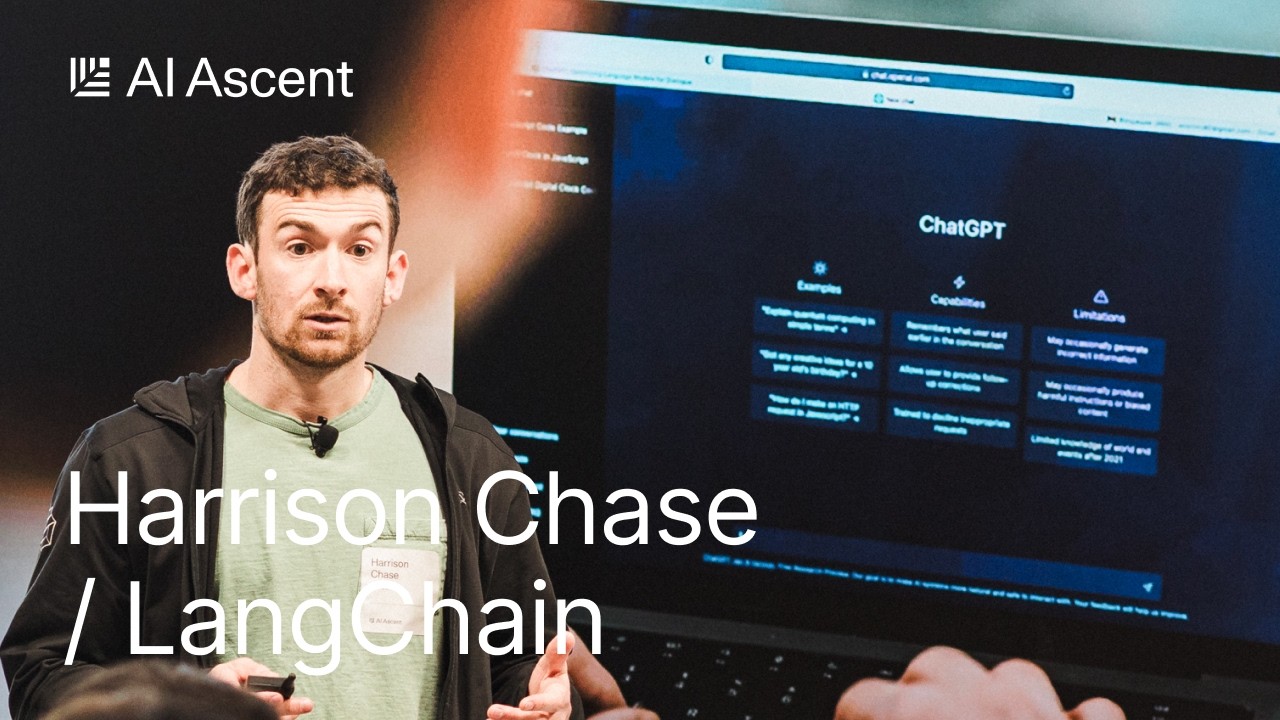
The structural problem is the chat window. A conversation does one thing at a time and somebody has to start it, which caps the value of the entire system at the spare attention of its user. An institution does not have spare attention. It has queues, exceptions, thresholds and deadlines.
The alternative already has a name. Ambient systems watch an event stream and act on it, with human checkpoints designed into the interaction rather than written into a policy afterwards: notify, ask, request approval. For an institution that has to evidence every decision, that is governance expressed as product. The audit trail, not the transcript, becomes the primary interface.
Software that waits to be asked will always be limited by how much attention the busiest person in the building has left over.
Go deeper
Ninety-five per cent of corporate AI pilots returned nothing measurable
Introducing Ambient Agents
When the chat interface is the wrong abstraction
Tomorrow: the Central Bank has already answered the question this series has been circling, and it attached a date to it.